
Travel Guide
New Direct Train Launching Between 2 Of Europe’s Most Beautiful Cities
Dec
Following London–Germany, Poland–Croatia, and even an unexpected Switzerland–Denmark link announced only weeks ago, Europe’s Railway Revival has unveiled yet another exciting route that will make cross-border city-hopping even easier:
Whether you’re looking for greener alternatives to travel, or you simply love hopping on trains any chance you get across the pond, you will soon be able to travel from Paris, all the way to Munich, in the south of Germany, now without changes.
‘How soon?’, you may be asking? Well, how does 2026 sound to you?
Paris To Munich Without Changes!
A collaborative project between the French SNCF and the German Deutsche Bahn, the new high-speed train going from Paris to Munich is set to launch at some point next year, strengthening links between two of Europe’s most beautiful cultural hotspots.
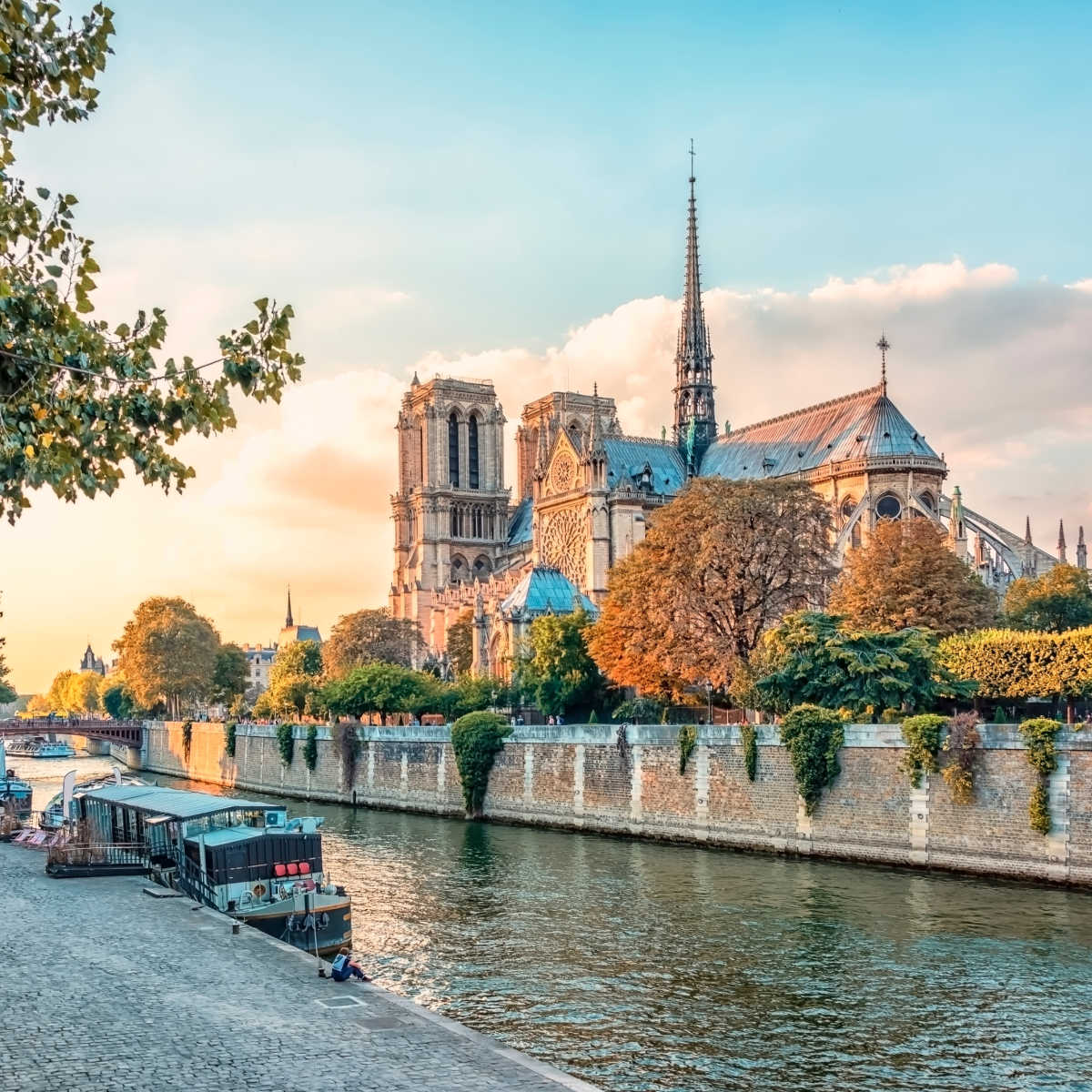
From its sparkly Eiffel Tower to the Haussmann-designed townscape and all the world-class museums in between, Paris is the elegant, timeless dame that never quite loses its luster despite all the naysayers and detractors she’s gathered over the years.
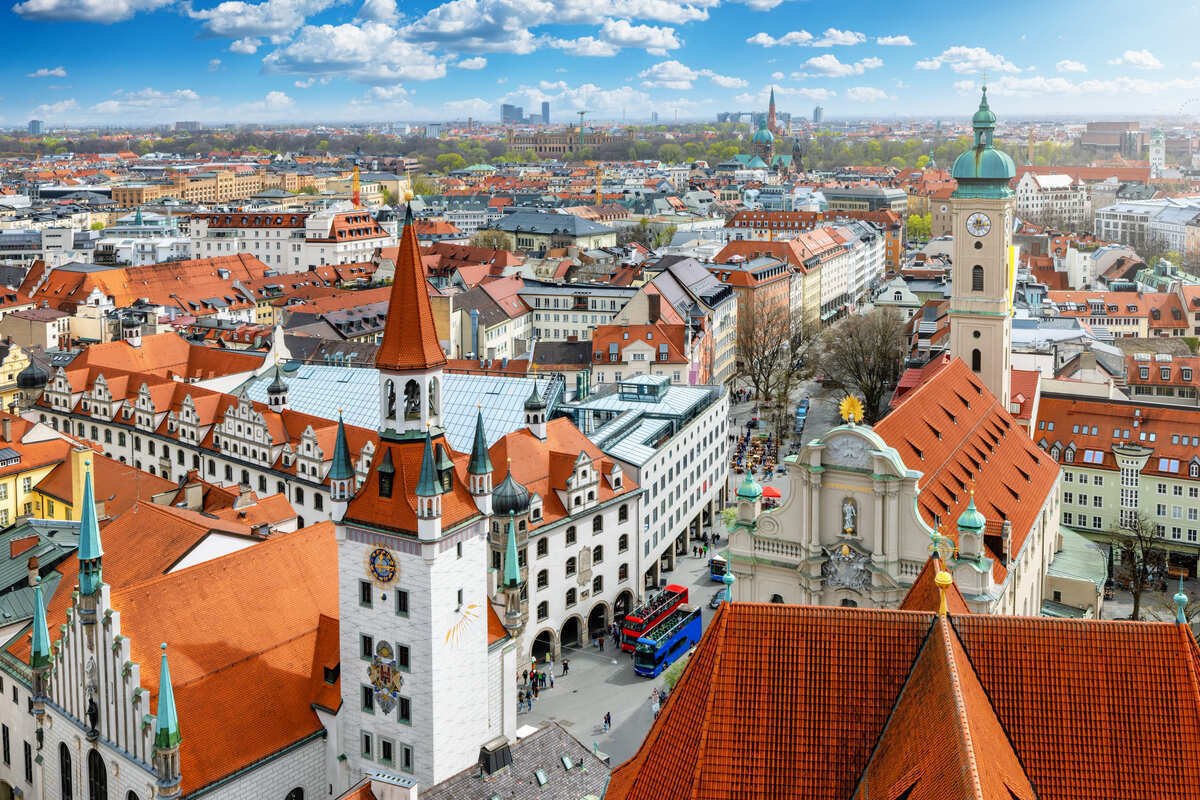
On the other hand, Munich is the vibrant regional capital of Germany’s culturally distinct state of Bavaria. It’s somewhere you go for lively beer halls, meat-heavy food, and once a year, the legendary Oktoberfest, which draws in tens of millions of visitors keen on partying the ‘Bavarian way’.

Right now, you can already travel from Paris to Munich, though not directly: you would typically have to switch trains in another major German city, such as Stuttgart or Mannheim.
No biggie, especially when changes are quick, but they can be a bit of a hassle when they involve different platforms, and you’re unloading and loading heavy bags again onto trains.
Paris to Munich Direct
A new high-speed link is coming in 2026. Here is why you should skip the flight. Click to reveal.
No Changes: Travel Paris to Munich without switching trains.
Service: Operated by French TGV and German ICE trains.
Frequency: At least 5 direct fast trains per day.
Advance Booking: Look for tickets around $40–50.
Last Minute: Expect to pay closer to $150–180.
Bonus: Includes 2 pieces of luggage at no extra charge.
Location: City center to city center. No expensive airport shuttles.
Experience: No security lines, no liquid restrictions, and free Wi-Fi.
Comfort: More legroom and freedom to move around than a plane.
The current average journey time is 6 to 7 hours, including changes, but once the direct link launches, it will be shaved down to only 4h40. This is thanks to the massive investment in high-speed rail across Europe, particularly for routes under 620 miles long.
How Much Will Tickets Cost?
There are at least five fast direct trains planned per day, and both the French TGV high-speed trains and the German ICE are expected to run on the route.
Infrastructure projects are already underway in the lead-up to the launch, including the opening of a new station in Stuttgart, an important transit hub, and the extension of the high-speed line to Ulm, where trains can easily continue down to the Bavarian capital.
Fares have not been unveiled, but we can speculate:
This isn’t a night service, so tickets won’t be anywhere as expensive as those seen on the Paris–Berlin or Paris–Vienna line, but medium-distance train journeys in Europe aren’t exactly the cheapest, either (unless you’re booking early).
With this in mind, we can theorize that the cheapest tickets, booked weeks in advance, can cost as cheaply as $40–50, while last-minute options should average $150–180.

Why Take The Train Anyway?
You may be wondering, what exactly is the big deal here, considering you can easily just get a very short 1h30 flight to Munich from the French capital?
That’s a valid point, but dare we say, a shortsighted one.
Again, how many hours in advance do you leave for the airport usually? Or then, how many deep breaths have you had to take as you waited scrutiatingly-long minutes, if not hours, at security to get your bags checked?
And then of course, at your destination, how stressful is it usually to find the easiest shuttle service to the city center, especially in Europe, where airports are typically located miles away from the cities they serve?

Even if you’re not exactly interested in the environmental argument, avoiding European airports is a good enough reason to choose rail over flights, but have you even done the maths here?
Overall, that 1h30 flight easily becomes a 4–5 hour journey once you factor in commuting to and from airports, and all the usual delays. The Paris–Munich train will take only 4h40, so in reality, you might actually be opting for the fastest, least-stressful route:
- Train stations sit right in the city center, so you don’t have to leave home 3–4 hours early like you would for a flight.
- There are no annoying wait lines at train stations, nor security checks leading to bottlenecks
- You can bring up to 2 pieces of hold luggage on most European trains at no extra charge
- Trains in Europe are not like trains in America: seats are nice and cushy, Wi-Fi is available, and there’s plenty of room to move around, contrary to planes
- The journey times often even out: taking the train will take as much time as flying once you add in commuting hours before, and after flying.
What’s not to like, right?

The Travel Off Path Advantage: Your Travel Toolkit
Subscribe To Our Latest Posts
Enter your email address to subscribe to Travel Off Path’s latest breaking travel news, straight to your inbox.
