
Travel Guide
This Cheap European Country Just Launched Its First Digital Nomad Visa

Jan
It took them a few years to catch up with their fellow European states, but when it comes to Digital Nomad Visas, one could never be too late to the party:
After months of speculation, Bulgaria has finally launched its own DNV. We’re talking a complete list of requirements, a transparent application process, and no grey areas anywhere in between.
The affordable Eastern Balkan country has had a flirtatious fling with expats for a while now, though it never made it official with an easy-to-apply, straightforward visa up until this point.
Unless they had healthy bank reserves, could invest in property, or apply for Citizenship by Investment through one of those shady, not-exactly-squeaky-clean programs the EU itself frowns upon, their only option was to restrict their stay in Bulgaria to 90 days.
Now, there’s a far more accessible way in:
Who’s Eligible For The Bulgarian DNV In 2026?
If you’re someone who works remotely for employers or businesses not based in the EU, the associated European Economic Area (which includes Iceland, Liechtenstein, and Norway), and Switzerland, you’ve already met criterion one.
Alternatively, if you’re either a member of a management body, or you own more than 25% of a company based outside of these economic zones, you’re also off the chopping block—as long as services aren’t provided to individuals or entities registered in Bulgaria.
Lastly, if you can prove you have provided remote services using technology for a minimum period of a year before applying, and you do not work for, nor engage in freelancing activities for Bulgarian entities, you’re also in.
What Is The Financial Requirement?
That’s the million-dollar question. We know that, oftentimes, DNV financial thresholds can be unrealistic, from $100,000 a year for the Cayman Islands, to a less-stunning, yet still immoderate $54,000 if you’re applying in Estonia.
Bulgaria can’t afford to throw its weight around: it is considered the least affluent country in the European Union, where the minimum wage is an estimated €620, and living costs are subsequently cheaper.
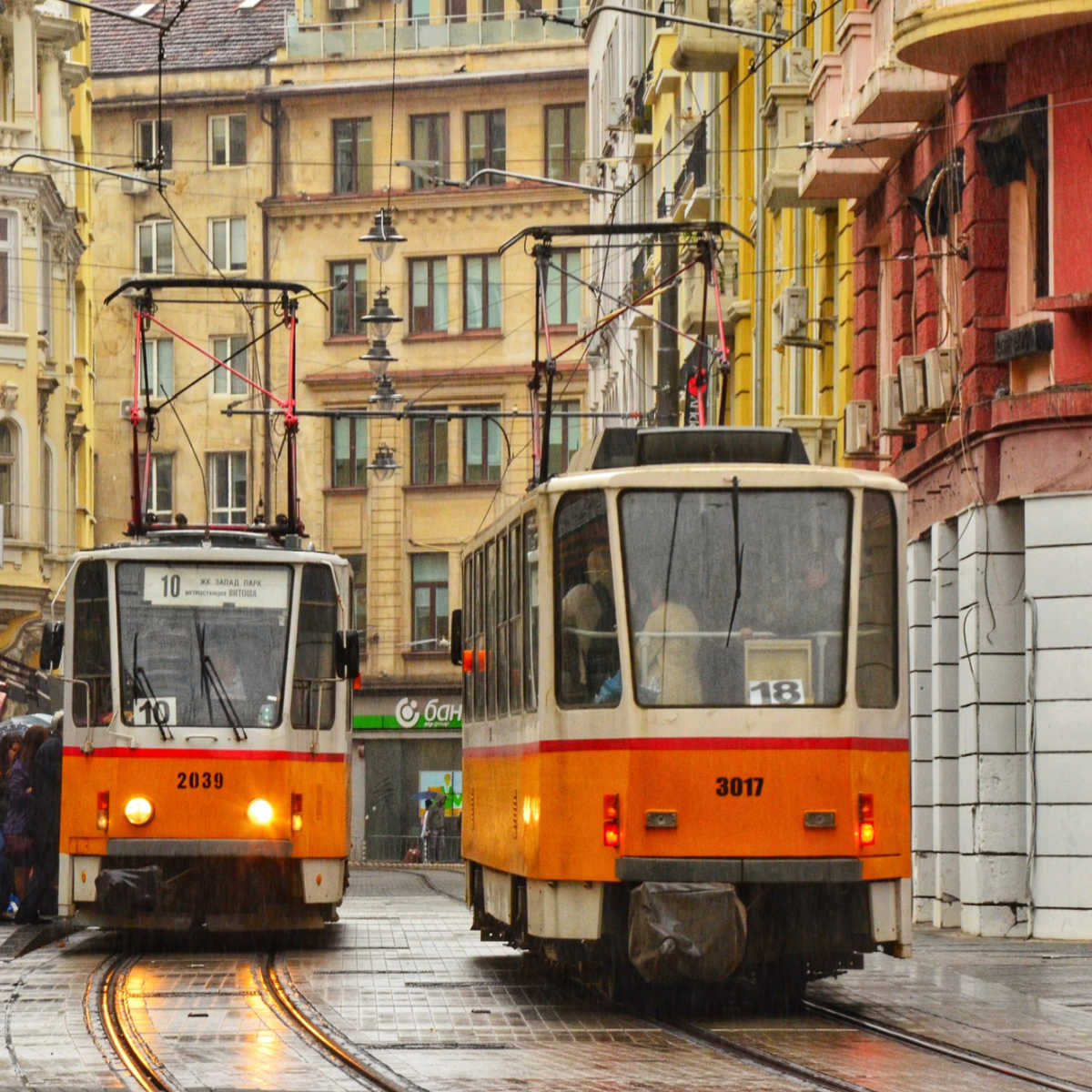
As per estimates provided by Numbeo, a single person’s monthly expenses in Sofia, the capital city of Bulgaria, are an average $772.60 without rent.
And even if you are just popping in for a week or two, hotels are super affordable as well.
Finding yourself a cozy little apartment in Sofia’s charming Historic Center that still keeps spending to a minimum isn’t a difficult task, either: rent is on average 58.7% lower than in Paris.
All of this to say, we think it’s a reasonable ask that applicants must show proof they have an average annual income of €31,000. That’s 50 times the national average, but then again, they’re not exactly keen on attracting low-income expats who could end up being a burden on Bulgaria’s not-so-robust welfare system.

Step By Step Guide On How To Apply For A Bulgarian DNV
Submit A Type D Visa Application At The Bulgarian Consulate
The journey starts at the nearest Bulgarian consulate in your country of residence. Not a country you’re living in temporarily, nor passing through. It’s at the consulate where you’ll complete the application form, submit the supporting documents, pay the visa fee.
- Remote employees must submit their employment contracts | those providing remote services must submit recommendation letters from custoners
- In select cases, applicants may be summoned for an interview with consular staff to confirm the details of their dossier

Travel To Bulgaria On Your Type D Visa
Should your dossier be greenlit by the consular staff, you can expect to be issued a Type D visa after 35–45 business days. It is valid for up to six months, giving you enough time to travel to Bulgaria and kickstart your actual application.
Apply For Your Actual Residence Permit Once In Bulgaria
Within 14 days of arriving in Bulgaria, submit your residence permit application as a digital nomad at the Migration Directorate of the Ministry of Interior in Sofia. Make sure you bring all the same documents you submitted for the Type D visa, as well as the visa itself.
Collect Your Residence Permit
The residence permit can take between 3 to 30 calendar days to be delivered, yet once it’s in your hands, it means you’re free to live in Bulgaria for one year. At the end of the period, you may renew once for an additional year, provided the initial requirements for the issuing of the visa are still fulfilled.

You Get 2 Years. Not More.
One major pitfall?
Regrettably, the Bulgarian Government has not indicated a path to permanent residency, nor citizenship under the Digital Nomad Visa program, unless applicants transition to another visa category before the two-year period is up.
This means that, unless more clarification is given, you’ll be required to pack your bags and leave Bulgaria at the end of the second year.
Alternative routes include Citizenship by Investment, signing a ‘full’ work contract with a Bulgaria-based employer or company, or of course, it might just happen that you fall in love, and want to tie the knot with your Bulgarian relevant other.

We mean this literally. It’s actually a Bulgarian tradition to tie red and white strings (martenitsa) around their loved ones’ wrists on March 1. Mark your calendars.
Top 5 Digital Nomad Destinations In Bulgaria
Sofia
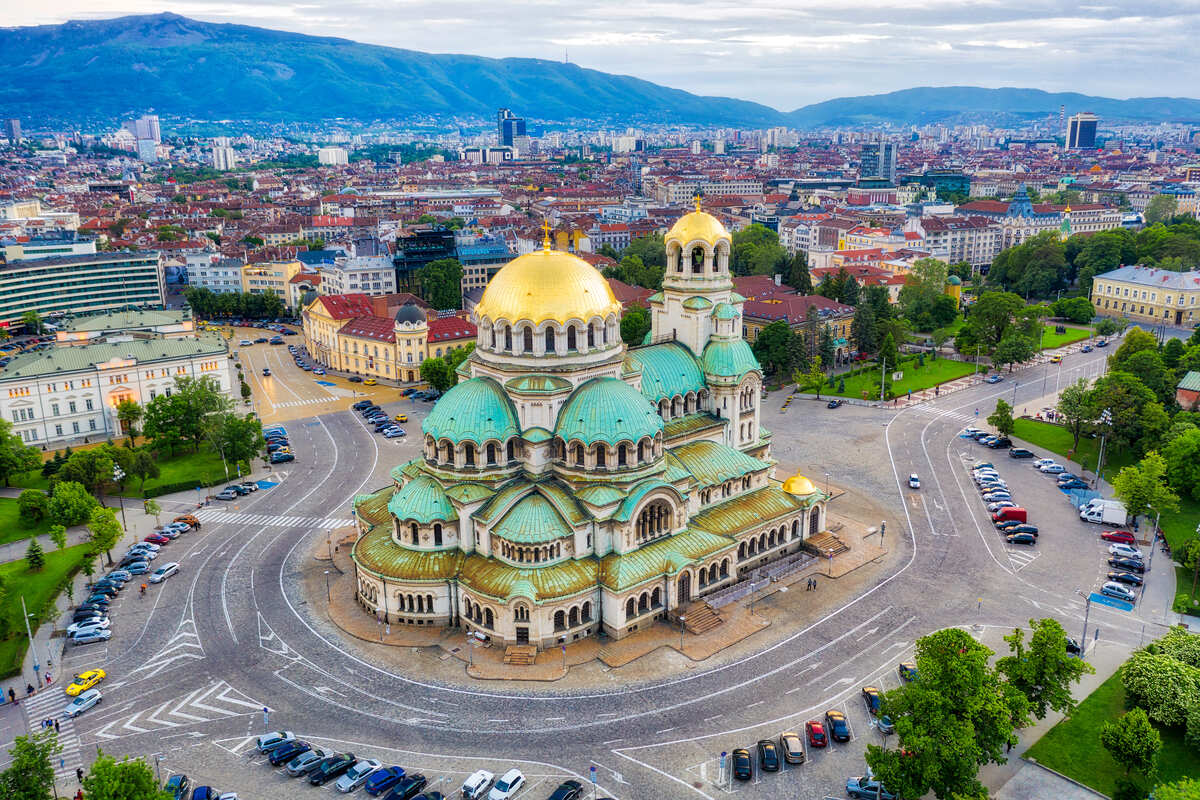
The most cosmopolitan Bulgarian city, as well as the country’s administrative hub, Sofia is the perfect base with its plethora of laptop-friendly coffee spots (check out The Apartment), lush city parks, and eclectic architecture spearheaded by a soaring Neo-Byzantine cathedral.
Plovdiv
The oldest continuously-inhabited city in Europe—yep, it’s older even than Athens!—Plovdiv has its own wide range of quirky cafés, dishing out Turkish-Bulgarian fusion tidbits and delicious coffee, picturesque cobbled streets, and a landmark Ancient Roman theater.

Veliko Tarnovo
A laid-back city spread across the verdant hills of a long valley, and dominated by the historic Tsarevets Fortress, one of Bulgaria’s oldest castles, Veliko Tarnovo is your go-to spot for slow-living, breathing in the culture, and nature strolls.
Ruse
An elegant Bulgarian city opposite the Danube from Romania, Ruse has a wealth of Baroque and Rococo monuments to its name, long pedestrianized streets lined with boutiques and eateries, and a scenic riverfront.
Burgas
One of Bulgaria’s top sunny spots, set along the azure waters of the Black Sea, that’s black in all but name, Burgas offers golden sands, pleasantly-warm summers, and easy access to the UNESCO-protected, ancient walled town of Nessebar.

The Travel Off Path Advantage: Your Travel Toolkit
Subscribe To Our Latest Posts
Enter your email address to subscribe to Travel Off Path’s latest breaking travel news, straight to your inbox.
